
Understanding sims scrap metal prices australia per kg is essential for businesses and individuals looking to sell scrap metal responsibly while maximizing returns. As Australia’s largest metal recycler, Sims Metal Management operates nationwide facilities setting benchmark prices influenced by complex global and local factors. This comprehensive guide examines how these prices are determined, current market values per kg and per tonne, metal grading systems, recycling processes, and environmental impacts. We’ll also provide actionable strategies to help you secure the best possible metal prices today for your scrap.
Understanding Sims Metal Management in Australia
Sims Metal Management is a global leader in metal recycling with a significant Australian presence operating over 30 facilities nationwide. As a publicly traded company (ASX: SGM), Sims processes approximately 10 million tonnes of recyclable materials annually. Their Australian operations span collection yards, processing plants, and export terminals, setting industry standards for scrap valuation. When discussing sims scrap metal prices australia per kg, it’s crucial to recognize their role as both market makers and price reflectors. Their extensive infrastructure allows them to handle diverse materials – from household aluminum cans to industrial steel beams – with pricing transparency that influences regional market rate benchmarks across the country.
Current Sims Scrap Metal Prices in Australia per kg
Scrap metal prices exhibit significant volatility. Below are indicative price ranges for major metals (per kg) commonly accepted at Sims facilities, though actual current scrap prices depend on daily markets and location:
- Copper: $5.50 – $6.50/kg (Clean, unalloyed copper wire or pipe)
- Brass: $3.50 – $4.50/kg (Plumbing fixtures, shell casings)
- Aluminum: $0.90 – $2.20/kg (Cans $0.90-$1.20, castings $1.50-$1.80, extruded $2.00-$2.20)
- Stainless Steel: $0.70 – $1.50/kg (304 grade at higher end)
- Lead: $1.00 – $1.80/kg (Batteries, flashing)
- Mild Steel: $0.10 – $0.35/kg (Structural steel, machinery)
- Insulated Copper Wire: $2.00 – $4.00/kg (Varies by copper recovery percentage)
Prices shift constantly based on the London Metal Exchange (LME) and Shanghai Futures Exchange. For precise, location-specific price per kg or price per tonne, check our updated Scrap Metal Prices page or contact local yards directly. Ferrous metals (iron/steel) typically trade per tonne ($180-$350 AUD), while non-ferrous trade per kg.
How Scrap Metal Prices Are Determined
Sims scrap metal prices aren’t arbitrary; they result from sophisticated global and domestic market calculations. Three primary layers influence the market rate:
- Global Commodity Markets: The London Metal Exchange (LME) sets base prices for virgin metals, with scrap typically priced at 70-95% of LME values depending on purity. Real-time trading impacts daily adjustments.
- Supply and Demand Dynamics: Local factors like mining output, manufacturing activity, and construction projects create regional imbalances. For instance, infrastructure booms increase steel demand, lifting metal prices today.
- Operational Costs: Processing expenses (transportation, labor, energy) and environmental compliance costs directly affect yard pricing. Export logistics also influence port-side facility rates.
Understanding these factors helps sellers time transactions strategically. Significant price influencers include China’s manufacturing PMI (as the world’s largest scrap importer), currency exchange rates (AUD/USD), and shipping container costs.
Key Factors Affecting Your Scrap Metal Value
When seeking the best sims scrap metal prices australia per kg, recognize these critical valuation determinants:
- Contamination Levels: Dirt, plastic, rubber, or other metals embedded in scrap can reduce value by 10-60%. Clean copper tubing commands premium pricing versus contaminated wiring.
- Volume and Consistency: Bulk shipments (5+ tonnes) typically secure better per kg rates due to processing efficiency. Consistent, homogenous loads minimize sorting costs.
- Current Market Conditions: Spot prices fluctuate daily. Monitor Scrap Metal Prices Near Me for regional trends before major disposals.
- Location and Logistics: Proximity to smelters and ports affects pricing. Coastal yards like those in Sydney or Brisbane often pay more due to export advantages compared to inland facilities.
- Metal Composition: Alloys and coatings impact recyclability. Bare bright copper (>$6/kg) vastly outperforms brass-plated materials.
For specialized international trading scenarios, explore our guide on How To Negotiate Scrap Metal Prices Internationally.
Scrap Metal Grading Systems Explained
Accurate grading is fundamental to fair pricing. Sims uses globally standardized classifications:
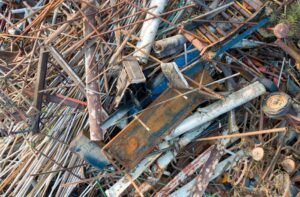
- Ferrous Metals: Graded by density and contamination. Heavy melting steel (HMS) is categorized as HMS 1 (thicker than 6mm) or HMS 2 (thinner pieces), with pricing differences of $20-$50/tonne.
- Non-Ferrous Metals: Copper grades include #1 (clean, uncoated), #2 (slight impurities), and insulated wire. Aluminum distinctions cover extrusions, castings, sheet, and contaminated mixed.
- Stainless Steel: 304 (18% chromium, 8% nickel) and 316 (with molybdenum) command premium prices versus lower-grade 400 series.
Misgrading commonly costs sellers 10-30% in lost value. Always request yard specifications before separating materials. For localized insights, check scrap metal canning vale prices grading requirements or compare with best scrap metal prices perth standards.
The Australian Scrap Metal Recycling Process
Understanding Sims’ recycling workflow clarifies why certain factors affect price per kg:
- Collection & Weighing: Materials arrive at scales where trucks are weighed full and empty.
- Sorting & Grading: Manual and automated systems (magnets, eddy currents, X-ray) separate metals. Higher purity streams command better rates.
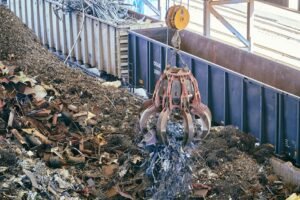
- Processing: Shredders fragment large items; shears cut structural steel; balers compact light metals. Clean, dense material requires less processing, increasing yard profitability and seller returns.
- Quality Control: Spectrometers analyze chemical composition to verify grades.
- Bundling & Shipping: Processed scrap is compacted into bales or bundles for domestic mills or export markets.
Each step adds operational costs that factor into pricing. Efficiently pre-sorted loads reduce yard expenses, often translating to 5-15% higher payments for sellers.
Environmental and Economic Benefits of Metal Recycling
Recycling through Sims delivers profound sustainability advantages while stabilizing price per tonne markets:
- Energy Savings: Recycling aluminum uses 95% less energy than primary production. Steel recycling saves 60-75% energy versus iron ore processing.
- Emission Reductions: Every tonne of recycled steel prevents 1.5 tonnes of CO2 emissions. Australia’s metal recycling industry avoids approximately 15 million tonnes of CO2 annually.
- Resource Conservation: Recycling preserves finite ore reserves. One recycled car saves 1,100kg of iron ore, 630kg of coal, and 55kg of limestone.
- Economic Impact: The Australian recycling industry contributes $15 billion annually to GDP and employs over 50,000 people. Efficient recycling infrastructure helps contain virgin material costs, stabilizing long-term market rate expectations.
Platforms like ScrapTrade further enhance this ecosystem by connecting sellers directly with processors, improving market efficiency.
Maximizing Your Scrap Metal Returns
To secure the best possible current scrap prices from Sims or other yards:
- Pre-Sort Meticulously: Separate metals by type and grade using magnet tests (ferrous sticks, non-ferrous doesn’t) and visual inspection. Remove attachments like rubber or plastic.
- Accumulate Volume: Combine scrap until you have at least 500kg. Yards negotiate better price per kg for bulk loads.
- Monitor Market Timing: Track quarterly manufacturing reports and LME trends. Prices typically rise during Asian infrastructure pushes (Q1/Q3).
- Compare Regional Offers: Use our scrap metal price comparison platform to benchmark offers. Coastal yards often pay more than inland facilities.
- Build Relationships: Regular sellers receive preferential pricing at many Sims facilities.
For complex international sales, review advanced negotiation techniques to navigate tariffs and shipping.
Future Outlook for Scrap Metal Prices in Australia
Several macro-trends will influence future sims scrap metal prices australia per kg:
- Electrification Boom: Copper demand for EVs (83kg/car) and renewables infrastructure may increase prices 30% by 2030 (CRU Group).
- Carbon Neutrality Pressures: Steel producers adopting electric arc furnaces (using 100% scrap) will compete for quality ferrous scrap, potentially lifting prices.
- Export Market Shifts: Southeast Asian industrialization may replace China as Australia’s primary scrap destination, altering logistics cost structures.
- Technological Advancements: AI-powered sorting and hydrogen-based steel production could reshape processing economics and quality premiums.
Industry analysts project moderate long-term price increases for high-quality non-ferrous scrap, while ferrous markets remain sensitive to global construction cycles.
Conclusion
Navigating sims scrap metal prices australia per kg requires understanding both micro-level grading standards and macro-level commodity markets. Current values span $0.10/kg for mixed steel to $6.50/kg for premium copper, with prices dynamically responding to global exchanges, regional demand, and material quality. By mastering scrap preparation techniques, timing sales strategically, and leveraging resources like ScrapTrade Australia for market intelligence, sellers can significantly enhance returns. As Australia progresses toward circular economy goals, recycling through established operators like Sims Metal Management remains environmentally essential and economically rewarding – turning discarded materials into valuable commodities that power sustainable industries.
Frequently Asked Questions
What is the current price per kg for scrap metal at Sims in Australia?
Current Sims scrap metal prices vary significantly by type: Copper averages $5.50-$6.50/kg, aluminum $0.90-$2.20/kg, stainless steel $0.70-$1.50/kg, and mild steel $0.10-$0.35/kg. Prices fluctuate daily based on LME markets and location. Always verify exact rates with local yards before selling.
Why do scrap metal prices change so frequently?
Scrap metal prices fluctuate due to global commodity market volatility, shifting supply/demand dynamics (especially from major importers like China), currency exchange rates (AUD/USD), and transportation costs. Domestic factors like industrial activity levels and local scrap availability also contribute to daily price adjustments.
How can I get the highest price for my scrap metal?
Maximize value by thoroughly sorting metals by type and grade, removing all contaminants (plastic, rubber, dirt), accumulating large volumes (500kg+), timing sales with favorable market conditions, and comparing offers from multiple yards. Pre-processing like stripping insulation from copper wire can increase returns by 20-40%.
What’s the difference between per kg and per tonne pricing?
Non-ferrous metals (copper, aluminum, brass) are typically priced per kilogram due to higher value, while ferrous metals (iron, steel) are priced per metric tonne (1,000kg) because of lower unit value. Current steel scrap ranges from $180-$350 per tonne, equivalent to $0.18-$0.35 per kg.